
Top Choices for Gas Line Service Products You Can Rely On
Select from industry-leading products designed to meet the demands of gas line installation, repair, and inspection tasks.
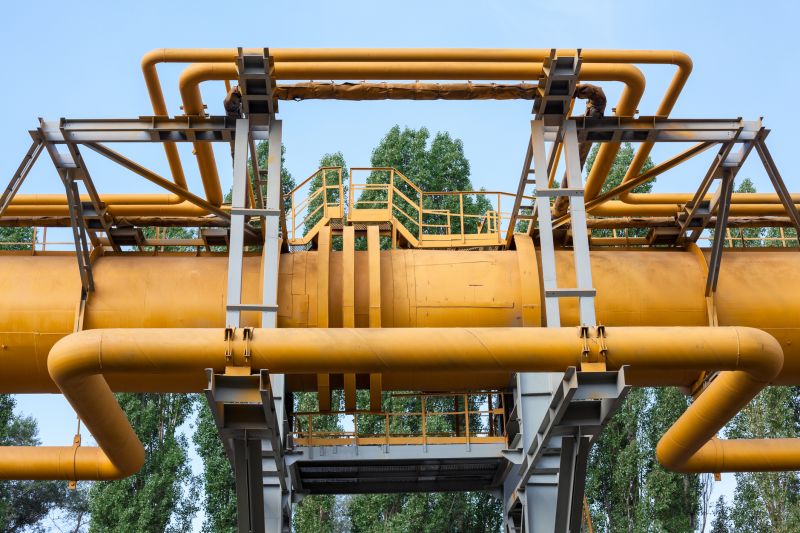 Maintaining and repairing gas lines is a critical task for both homeowners and professionals, especially in areas like Parker, CO where natural gas is a common energy source. The process involves specialized tools and equipment designed to ensure safety, precision, and efficiency. Gas line service products range from basic fittings and connectors to advanced testing and leak detection devices, each serving a specific purpose in the maintenance and installation process.
Top Overall Option
Gas Line Inspection and Testing Kit
A versatile inspection and testing kit designed for comprehensive gas line assessments. It typically includes pressure gauges, leak detection solutions, and adapters to facilitate thorough inspections and ensure safety during maintenance or installation tasks.
Types of Products For Gas Line Service
Gas Leak Detectors
Devices used to identify leaks in gas lines quickly and accurately, often using electronic sensors or soap solutions.
Pressure Gauges
Tools for measuring gas pressure within lines to ensure proper flow and detect potential issues.
Pipe Fittings and Connectors
Various fittings designed to join, extend, or repair sections of gas piping safely and securely.
Pipe Cutters
Tools for cleanly cutting gas pipes to the desired length during installation or repair.
Thread Sealants and Tapes
Materials used to ensure airtight seals on threaded fittings and connections.
Gas Line Repair Clamps
Clamps that provide a quick fix for minor leaks or damaged sections of gas piping.
Manometers
Devices for measuring pressure differences in gas systems, useful during system testing.
Gas Line Cleaners
Products designed to remove debris and buildup from gas pipes to maintain optimal flow.
Valve Turners and Wrenches
Tools for opening, closing, and adjusting gas valves safely and effectively.
Leak Detection Solutions
Soapy or electronic solutions used to identify leaks in gas lines during inspection.
Gas Line Flushing Equipment
Tools used to clear debris and contaminants from gas piping before installation or repair.
Gas Line Supports and Hangers
Components that secure gas pipes in place to prevent movement and damage.
Portable Gas Testers
Handheld devices for quick on-site testing of gas presence or pressure.
Pipe Benders
Tools for shaping gas pipes to fit specific installation requirements.
Gas Line Insulation
Materials used to insulate gas pipes, especially in colder climates, to prevent freezing.
Popular Choices
Electronic devices that detect gas leaks with high sensitivity, providing quick results.
Sets that include gauges and adapters for testing pressure in gas systems.
Connectors that allow for easier installation and adjustment of gas lines.
Clamps that provide an effective method for sealing minor leaks or cracks.
Portable bottles filled with soap solution for manual leak detection.
Manual or powered pumps used to pressurize gas lines for testing purposes.
Complete sets of fittings for various pipe sizes and connection types.
Brushes designed to remove buildup from inside pipes during maintenance.
Specialized wrenches for operating gas valves safely and efficiently.
Aerosol spray used to quickly identify leaks by forming bubbles at the leak site.
Devices that continuously monitor for gas presence and alert users to leaks.
Tools designed to shape pipes accurately for complex installations.
Supports that help secure pipes in place and prevent movement.
Specialized tape used to insulate and protect gas piping.
Devices for measuring the flow rate of gas through pipelines.
Equipment that maintains consistent pressure in gas systems.
Corrugated connectors that allow for movement and vibration absorption.
Proper gas line servicing requires careful attention to detail and adherence to safety standards. Using the right tools can help prevent leaks, ensure secure connections, and facilitate troubleshooting. Whether installing new gas lines or repairing existing ones, selecting quality products that meet industry standards is essential. This includes considering the compatibility of fittings with different pipe materials, the ease of use of testing equipment, and the durability of repair components.
In Parker, CO, where local codes and safety regulations govern gas line work, it is especially important to choose products that comply with relevant standards. Investing in reliable tools can also save time and reduce the risk of errors during service procedures. For both DIY enthusiasts and professional technicians, understanding the available product options and their intended applications can lead to more effective and safe gas line management.
Overall, a comprehensive approach to gas line service involves a combination of suitable equipment, proper training, and adherence to safety protocols. This ensures that gas systems operate efficiently and safely, minimizing potential hazards and maintaining reliable gas supply for residential and commercial properties alike.
Key Buying Considerations
- Compatibility with existing gas pipe materials and sizes.
- Compliance with local safety codes and standards.
- Ease of use and ergonomic design of tools.
- Durability and material quality for long-term reliability.
- Sensitivity and accuracy of leak detection devices.
- Portability and ease of transport for on-site work.
- Availability of replacement parts and accessories.
- Brand reputation and customer reviews.
- Warranty and customer support options.
- Cost-effectiveness relative to project scope.
- Compatibility with other tools and equipment in your toolkit.
- Ease of calibration and maintenance of testing devices.
- Appropriate safety features and certifications.
- Versatility for different types of gas line work.
- Environmental conditions of the work site, such as cold or damp environments.